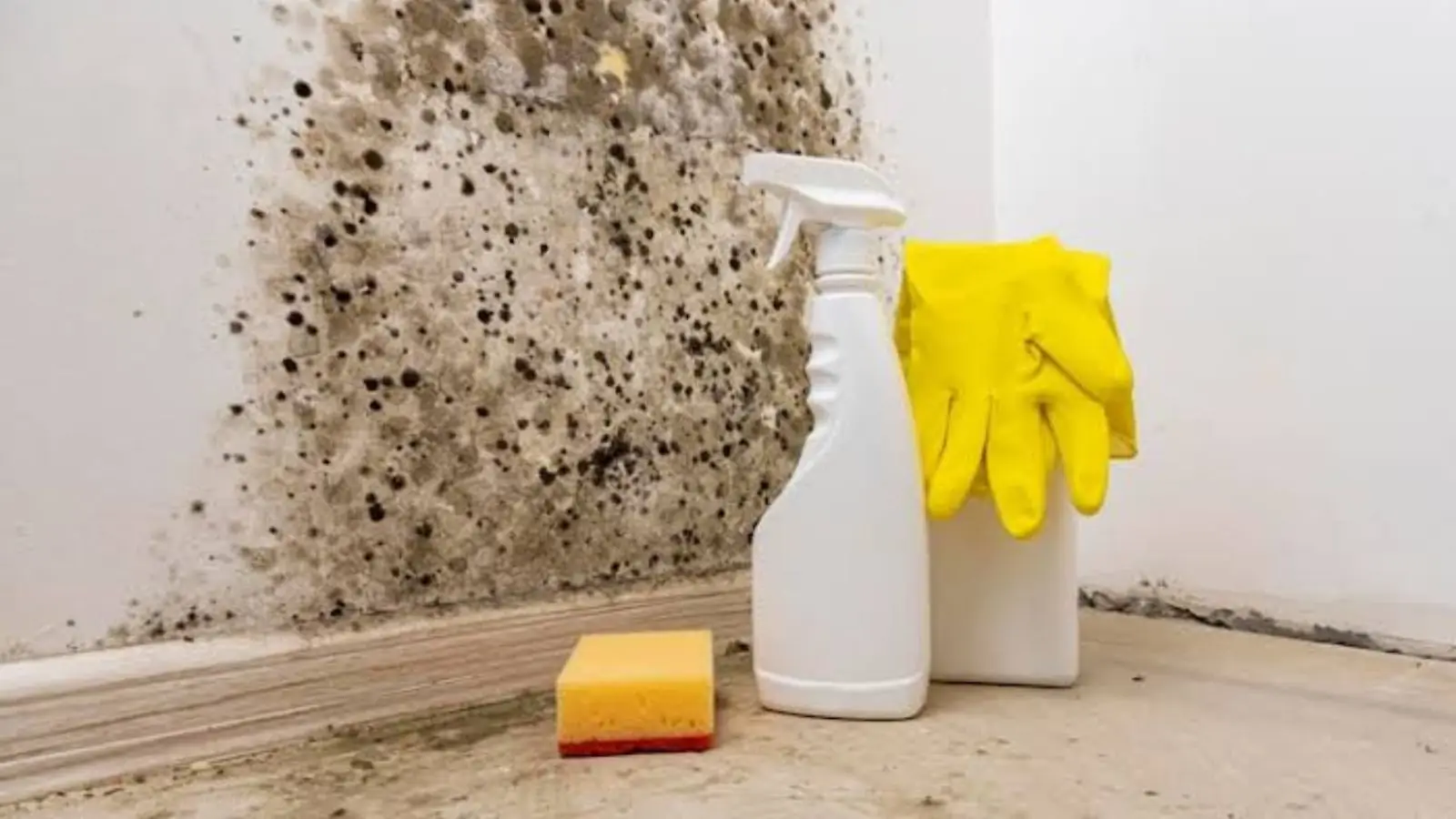
Black mold in the bathroom in Addison, TX is a common phrase for dark growth on grout, caulk, ceilings or walls. The color alone tells you very little. It tells you moisture has been present long enough for growth to show.
This post explains what the label means, where dark growth hides, when it signals a hidden leak, how testing differs from remediation under Texas licensing, and what professional removal involves.
What people mean by black mold
Homeowners use black mold for any dark green, gray or black growth. Color does not identify a species. Many molds look dark, and the same mold can look different on different surfaces. Only laboratory analysis of a sample identifies types.
No guide can tell you what a spot of growth means for anyone's health. Questions about symptoms go to a physician. What a practical guide can say is this: dark growth means moisture, and moisture is the thing to find and fix.
Where it appears, likely moisture source, action
Use the pattern as a starting clue, not a diagnosis.
| Where it appears | Likely moisture source | Action |
|---|---|---|
| Grout lines and tile corners | Daily shower splash and slow drying | Clean small areas, re-seal grout, improve ventilation |
| Ceiling corner above the shower | Steam with weak exhaust, or a roof or attic leak | Check the fan and attic, call a pro if the drywall is soft |
| Behind or under the vanity | Supply line, trap or drain leak | Shut off the leak, inspect the cabinet back and wall, remove wet board |
| Around the fan housing | Condensation in a poorly vented duct | Check duct slope and termination outdoors |
| Caulk at tub or shower | Failed seal letting water behind the wall | Remove caulk, test the wall, recaulk once dry |
| Lower wall near the toilet | Wax ring or supply leak | Check the floor for softness, call a pro if confirmed |
Growth on porous materials such as drywall or ceiling tile usually means the material is removed, not just cleaned.
When dark growth points to a hidden leak
A leak is likely when growth returns within weeks of cleaning, when paint blisters, when a wall feels soft or cool, or when the stain follows the shape of a pipe run. Surface moisture from showers is steady, but it does not usually soak the drywall behind the vanity.
A moisture meter and thermal camera find wet material behind finishes without cutting. Readings that are higher than a dry reference wall mean water is still present. If you suspect a leak, water mitigation crews dry the structure once the source is fixed.
Dark growth spreading? Do not wait. Call the 24/7 line and describe what you see.
☎ (972) 945-2885What to do right after you spot it
Take these steps in order.
- Stop adding moisture. Run the fan, wipe wet surfaces, and shut off any dripping supply valve.
- Photograph it. Take wide and close photos with a coin or tape measure for scale. You need them for any claim and for a professional's scope.
- Estimate the area. Measure the visible growth. Whether it reaches 25 contiguous square feet changes who may do the work.
- Do not disturb it. Skip scraping, sanding or blowing air at it.
- Check your policy. Ask your insurer how it treats water damage and mold. Sudden and accidental damage is often covered, but mold cleanup and testing after a damaged item is removed often is not unless you added coverage.
Testing and remediation are separate jobs in Texas
The Texas Department of Licensing and Regulation (TDLR) licenses mold assessors and mold remediators. Collecting air or visible spore samples counts as assessment. Remediation of 25 contiguous square feet or more of visible mold generally needs a licensed remediator.
One licensed company or person generally cannot do both the assessment and the remediation on the same project. Licensed assessors and remediators must hand you a Consumer Mold Information Sheet before work, and only a licensed remediator can issue a Certificate of Mold Damage Remediation. TDLR has a Verify a License search you can use before you sign anything.
What professional remediation involves
The process follows ANSI/IICRC S520, and you can ask any company whether its crews work to it.
- Source correction: the moisture problem is fixed or confirmed fixed before cleanup begins.
- Containment: plastic barriers and a sealed work zone keep disturbed particles from moving through the house.
- Negative air: a HEPA-filtered air scrubber pulls air out of the work area.
- Removal of porous materials: wet or affected drywall, insulation and caulk are cut out and bagged, not just wiped.
- Cleaning of cleanable surfaces: framing and hard surfaces are HEPA vacuumed and wiped.
- Drying: air movers and dehumidifiers bring the cavity back to a dry standard before rebuild.
- Clearance: TDI tells consumers to expect an inspection showing the mold was removed and the cause fixed, plus a certificate.
Mold remediation in practice is scoped after an inspection, and no one can promise growth will not return. What the work does is remove affected material and correct the conditions.
What this means in Addison
TDLR is the state agency to check, and the Verify a License search is the quickest way to confirm a remediator or assessor before work starts in Addison. A company that offers to test and remove on the same project deserves a question, because state rules generally keep those roles apart.
The Town of Addison also requires permits for plumbing work such as replacing water or sewer lines, and contractors must register with the Town before starting a project. If the source of your bathroom moisture turns out to be a failed pipe, ask the Town's Building Inspection staff whether the fix needs a permit.
Source type: TDLR mold licensing pages and Town of Addison Development Services pages
Where this fits with insurance and nearby homes
Mold that develops on a covered damaged item would be covered, according to TDI, while mold cleanup and testing after the item is removed is often not included in a standard home policy. Report hidden water damage quickly and keep receipts. Crews also serve Plano and Coppell, where the same licensing rules apply.
A technician inspects, documents with moisture readings and photos, writes the scope, and explains price before work begins.
What drives the cost
Call the 24/7 line for a real number after an inspection.
Frequently asked questions
No. Color does not identify a species. Only laboratory analysis of a sample can identify types.
Sampling is assessment under Texas law and must be done by a licensed assessor. It is not required before you fix a leak and remove damaged material, but some lenders or buyers ask for documentation.
Small areas under 25 contiguous square feet may be cleaned by unlicensed people. Use ventilation, gloves, a mask and one cleaner at a time, and fix the moisture.
This guide cannot answer health questions. Speak with a physician about symptoms. For the home itself, find and fix the moisture and have large areas handled by a licensed remediator.
The fan may be weak, the attic duct may be loose, or there may be a leak above. Cleaning does not change the moisture, so the cause needs to be found.
Texas licenses mold assessors and remediators through TDLR, and its Verify a License search lets you confirm a license. Ask for the Consumer Mold Information Sheet before work.
Still have questions about this? Dispatch answers around the clock, and the dispatcher can explain next steps.
☎ (972) 945-2885