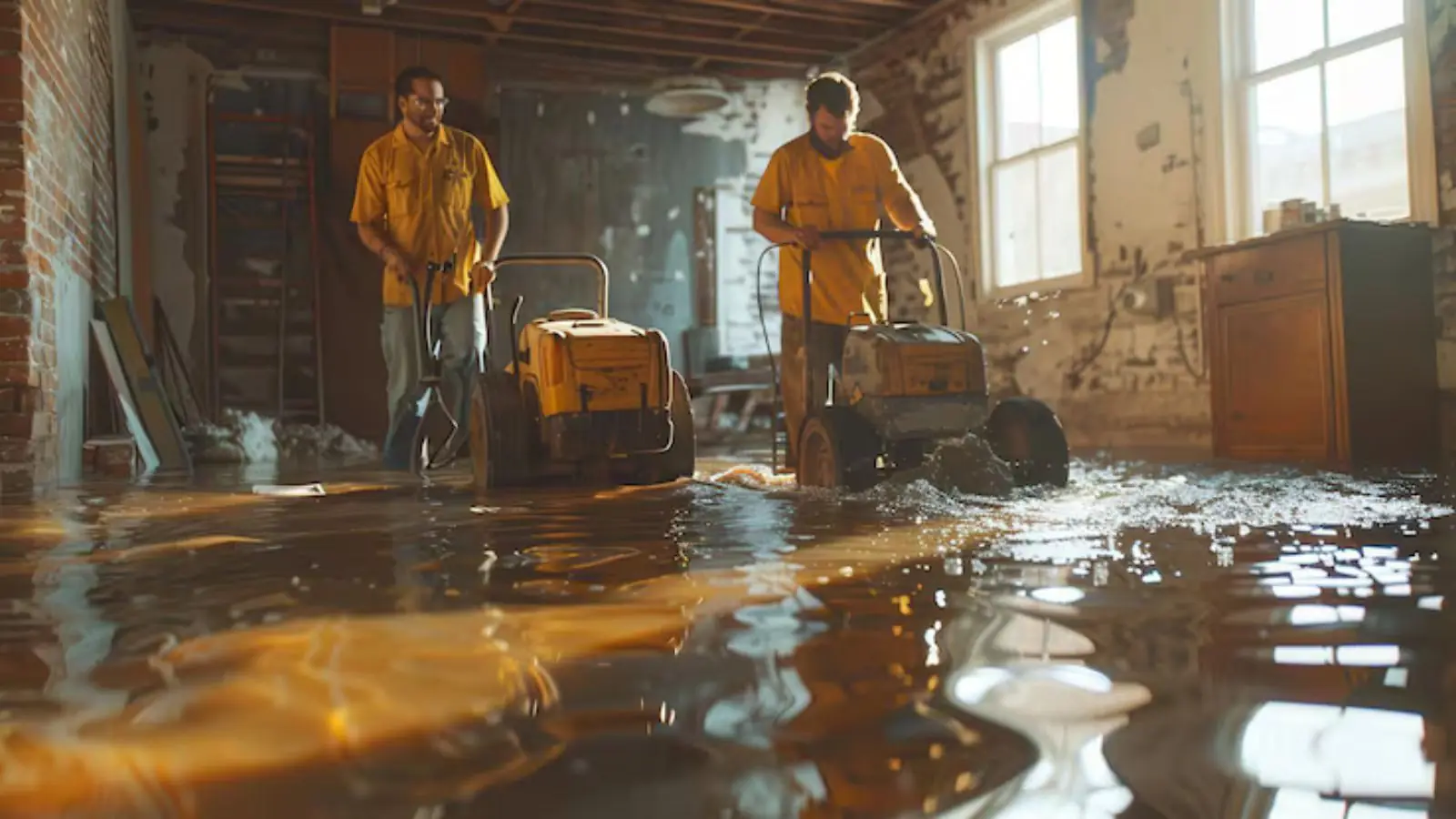
Water damage cleanup in Addison, TX is the work that happens after the leak is stopped and standing water is out: removing debris and contaminated materials, sanitizing surfaces, deodorizing and sorting your belongings. Our 24/7 line is open.
While you wait, keep the main water valve off, lift valuables off wet floors, keep kids and pets out of dirty water, and turn off power to wet areas only if the panel is dry and easy to reach.
The first 48 hours matter most
Wet materials start to break down fast. Texas Department of Insurance says mold can start growing within a day after a leak, and its advice is to stop the source, remove standing water, dry the area promptly, move wet items to a dry area, and pull up wet carpets and rugs.
Cleanup in this window means getting contaminated material out before it spreads smell and bacteria through the house. Dispatch is open nights and weekends, with same-day response when available. This page covers the cleanup work, while the homepage covers water damage restoration as a whole.
Water category: what to remove and what to clean
ANSI/IICRC S500 groups water by contamination. The category decides how much gets thrown out.
| Category | Remove | Clean |
|---|---|---|
| Category 1 (clean source) | Soaked pad, swollen particleboard, wet insulation. | Carpet, hard floors, drywall that is still firm, furniture. |
| Category 2 (gray water) | Carpet pad, soaked drywall, baseboards, upholstered pieces that held the water. | Hard surfaces, cabinets, framing, carpet that can be cleaned. |
| Category 3 (sewage or floodwater) | Carpet, pad, drywall, insulation and porous items. | Framing, concrete, tile and solid surfaces, cleaned and sanitized. |
Clean water left for days can become Category 2 or 3.
What gets removed, and why
Crews pull a material when it cannot be dried or cleaned safely. Common examples:
- Carpet pad: it acts like a sponge and rarely dries in place.
- Baseboards: removed to let wall cavities dry and to cut away wet bottom edges.
- Wet insulation: batts hold water against framing and lose their value.
- Drywall: a flood cut removes the bottom 2 to 4 feet (or higher if wicking went up) so framing can dry and be inspected.
Everything else, like framing, concrete, tile, and most solid-wood furniture, is cleaned rather than thrown away. Removal is photographed and measured so the record shows what was lost.
After cleanup comes rebuild? Do not wait. Call the 24/7 line and describe what you see.
☎ (972) 945-2885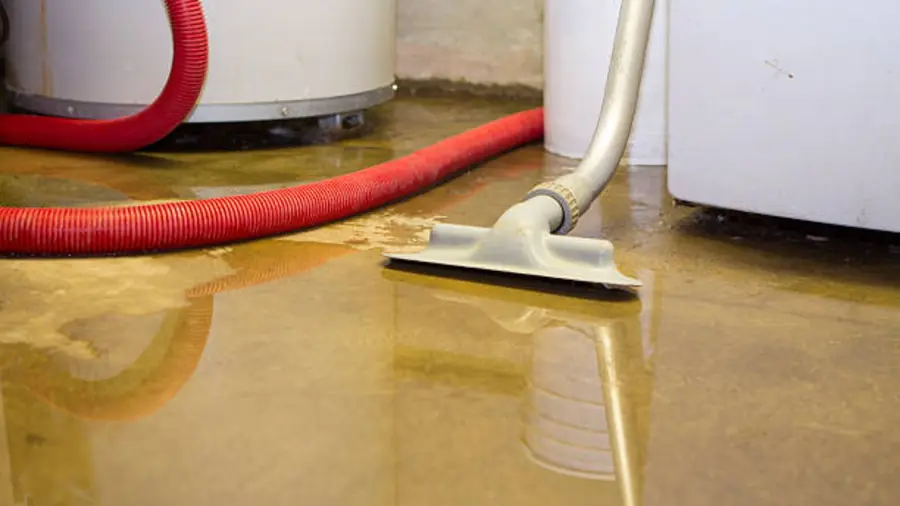
Contents: pack-out and cleaning
Items in wet rooms are sorted into three groups: dry and fine, cleanable, and not salvageable. Crews can pack out belongings to a dry area, then clean hard goods with detergent and antimicrobial wipe-downs, and launder or ultrasonically clean small items when appropriate.
Honest limits apply. Porous contents that sat in Category 3 water, mattresses, soaked particleboard furniture and paper goods usually cannot be saved. Photos, documents and keepsakes may be freeze-dried or cleaned by a specialist, but results vary and we do not promise them. List what you want to keep before work starts.
Odor and sanitizing in plain words
Smell comes from wet material and bacteria. The fix is to remove the source, then clean. After debris is out, surfaces are wiped or sprayed with an antimicrobial treatment, and a HEPA air filtration unit runs to pull fine dust from the air during demolition and cleaning. Thermal fogging or an air scrubber may be used on lingering odors.
None of this is a health treatment, and we make no health claims. If you have breathing concerns or someone in the home is vulnerable, ask a physician. If mold is visible, see mold remediation for how testing and removal follow ANSI/IICRC S520.
Document everything for insurance
Texas Department of Insurance advises homeowners to photograph or video damage before repairs and keep damaged items until the adjuster has seen them. Build a file with:
- Photos and video of every room, wide and close, before anything is moved or thrown out.
- Moisture readings and drying logs from the crew.
- An itemized list of damaged contents with age and approximate value.
- Receipts for emergency repairs, hotel stays and cleanup supplies.
- Damaged items kept until the adjuster has seen them.
Make temporary repairs to prevent more damage, but hold off on permanent ones until your insurer inspects. Sudden and accidental damage is often covered, gradual leaks often are not, and floods usually need separate flood coverage. Check your policy.
What shapes the cost of water damage cleanup
A technician inspects, records readings and photos, writes the scope and explains the price before work begins. These factors drive it.
| Factor | Effect on the job |
|---|---|
| Water category (1, 2 or 3) | Sewage and floodwater require more removal, protective gear and sanitizing. |
| Affected area | More rooms and more wall height mean more debris to haul. |
| Materials involved | Carpet, drywall and insulation are removed, while tile and concrete are cleaned. |
| Drying days and equipment | Cleanup often runs alongside water mitigation drying equipment. |
| Rebuild scope | Removed materials are replaced later under water damage repair. |
Call the 24/7 line for a real number once a technician has seen the damage.
Local help nearby
We dispatch across Addison and to neighbors like Plano, so call the same 24/7 line wherever the water landed.
Frequently asked questions
Yes. Dispatch runs 24/7, including nights, weekends and holidays, with same-day response when available. While you wait, keep the main water valve off, stay out of dirty water and keep valuables off wet floors.
Mitigation stops the spread and dries the structure. Cleanup removes debris and contaminated materials, sanitizes, deodorizes and sorts contents. Many jobs need both, and they often overlap.
Often yes if it was Category 1 water and was reached quickly. Carpet pad is usually replaced. Carpet that sat in sewage or floodwater is usually removed.
No. Texas Department of Insurance says to keep damaged items until the adjuster has seen them. Photograph everything first.
Usually, once wet sources are removed and surfaces are cleaned and dried. Lingering smell can mean wetness is still inside a wall or under flooring, so moisture readings come first.
Restoration is the broad topic. This page covers one part, the cleanup work. The homepage explains the whole process from mitigation to rebuild.
Still have questions about this? Dispatch answers around the clock, and the dispatcher can explain next steps.
☎ (972) 945-2885