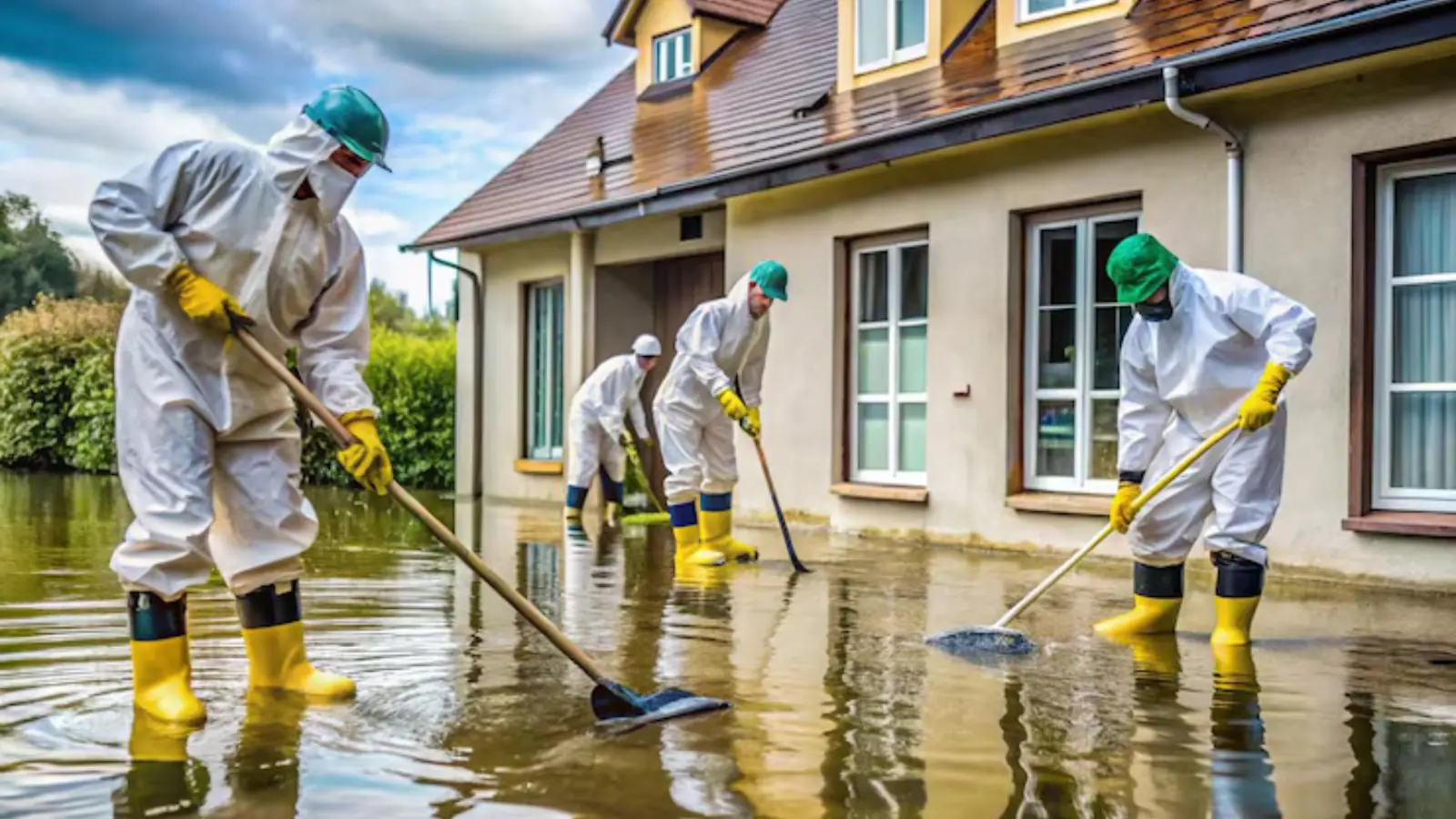
Flood damage restoration in Addison, TX is the removal of flood water, the tear-out of what it contaminated, and the cleaning and drying of everything that can be saved. We answer 24/7, and same-day response is available when crews are free.
While you wait, stay out of the water, keep children and pets away, and shut off the main water valve if a pipe is involved. Cut power to wet areas only if the panel is dry and you can reach it standing on dry ground.
When floodwater is an emergency
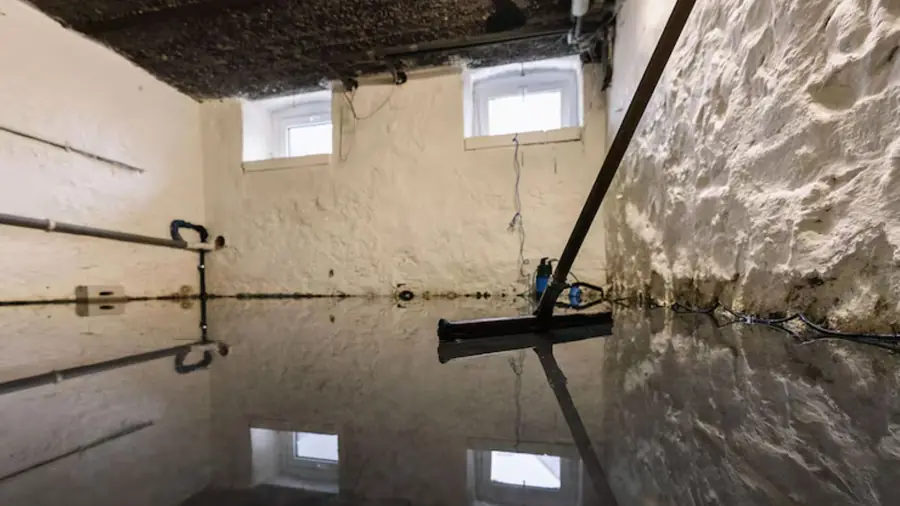
Floodwater is an emergency from the first inch. It can carry soil, runoff and sewage, and it soaks into drywall, insulation and subfloor quickly. Garages, ground-floor units and lower levels take the water first, and they are the hardest to dry once it has been sitting.
The National Weather Service says flooding occurs nearly every year across the Dallas/Fort Worth Metroplex, with severe weather peaking in spring. Drying has to start the same day, so keep the dispatch line handy before the next storm season arrives.
Basement and lower-level flooding cleanup
Many North Texas homes are built slab-on-grade, so a flooded lower level often means a garage, a ground-floor room or a unit at street level. If your home has a basement, below-grade room or walkout, water collects there first and may need a pump before anything else can start.
Do not walk into a flooded basement with the power on. Stairs can hide deep water, and outlets or appliances below the waterline can energize it. Call the utility or 911 if you suspect an electrical hazard.
Once the water is out, crews remove wet carpet and pad, cut drywall above the water line, and pull baseboards so walls can dry from the inside. Concrete floors are cleaned and dried but not torn out. Extraction is covered in more detail on our emergency water removal page. Wet insulation and trapped water in wall cavities are the usual hidden problems, so crews check with a moisture meter before closing anything up.
Sewage backup cleanup
A sewage backup is Category 3 water. Stay out of it, do not touch it, and keep people and pets away. Do not run taps or flush toilets, because that adds more water to the problem.
First find out whether the clog is in your own line or in the main. The Town of Addison says its crews respond to clogged or overflowing wastewater mains and there is no charge, so call the Town if you think the main is the cause. For a clog in your own plumbing, call a plumber to clear it before cleanup starts.
Cleanup is a removal job first. Porous materials the sewage touched, such as carpet, pad, drywall and insulation, are cut out and bagged. Hard surfaces like tile, concrete and sealed wood are scrubbed, disinfected and dried. Crews work in protective gear, and you should not start this work yourself.
Flood water in the house? Do not wait. Call the 24/7 line and describe what you see.
☎ (972) 945-2885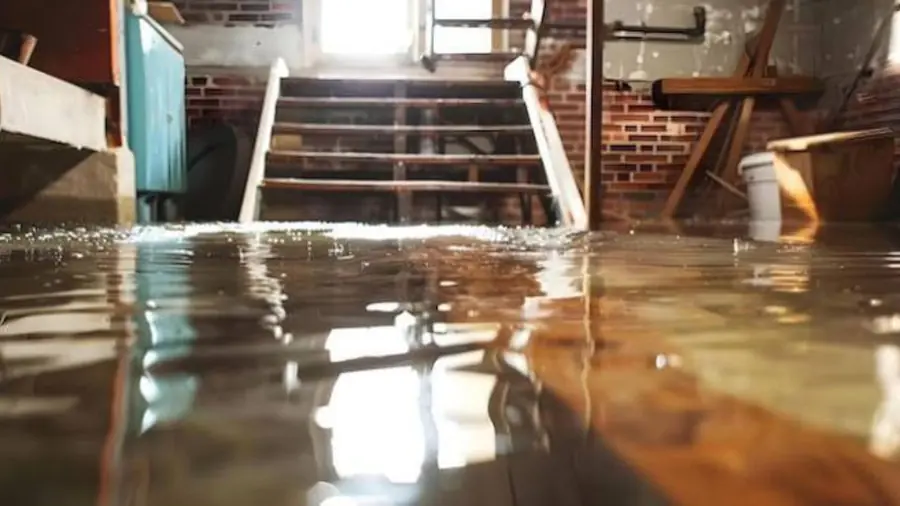
What flood water is, what is salvageable and what is removed
Flood water is treated as contaminated, so the rule is simple: porous materials that soaked it up usually go, and hard surfaces are cleaned.
| Material | Usually salvageable | Usually removed |
|---|---|---|
| Carpet and pad | Rarely, after Category 3 water | Pad always, carpet in most cases |
| Drywall and insulation | Dry panels above the water line | Wet drywall and all wet insulation |
| Hardwood and laminate | Sometimes, if lifted and dried fast | Cupped, buckled or sewage-soaked boards |
| Tile, concrete and sealed surfaces | Yes, after cleaning and drying | Grout or underlay that stayed wet |
| Wood furniture | Often, if cleaned and dried | Particleboard that swelled |
| Upholstery and mattresses | Rarely | Most items touched by flood water |
A technician decides item by item with moisture readings and photos.
What the equipment does
Pumps and extraction units remove standing water. Air movers push air across wet surfaces, and LGR dehumidifiers pull moisture out of the air so the walls can release theirs. Moisture meters and thermal imaging find water behind finished surfaces, so crews know what is still wet before the equipment comes out. Equipment stays until readings show the structure is dry. Drying methods are explained on the water damage cleanup page.
Flood insurance and what to ask first
Home policies do not cover floods, according to the Texas Department of Insurance. A separate flood policy is needed. If you are unsure what you have, read your policy and ask your insurer or agent before cleanup, and keep damaged items until the adjuster has seen them.
Check the FEMA Flood Map Service Center for your address to see the published flood map. That tells you whether flood coverage is worth pricing. Photograph everything before repairs, make temporary repairs only, and keep every receipt.
How scope and price are explained before work starts
A technician inspects the home, documents the damage with moisture readings and photos, and writes the scope. Price is explained before work begins. Crews also serve nearby Richardson and the rest of the Dallas area.
Cost factors for flood restoration
Flood jobs vary widely. These are the factors that set the number.
| Factor | Why it matters |
|---|---|
| Water category 2 or 3 | Contaminated water means more removal, disinfection and protective gear |
| Affected area and depth | A flooded garage and a flooded floor plan are very different jobs |
| Materials involved | Carpet, drywall, insulation and flooring each add tear-out and disposal |
| Drying days and equipment | Wet structure can need several days of air movers and dehumidifiers |
| Rebuild scope | Replacing drywall, flooring and trim is separate trade work |
Flood damage is usually excluded from home policies unless you carry flood coverage. Check your policy.
For a real number, call the 24/7 line and describe what you see.
Frequently asked questions
Yes. The line is open around the clock, including nights, weekends and holidays. A dispatcher takes the details and sends a crew, with same-day response when available.
No. We remove water, clean, and dry. We do not fix the reason water entered, and we do not install drainage or seal foundations.
For waterproofing, grading or a cracked foundation, call a waterproofing company or a foundation repair specialist. The Town requires a permit for foundation repairs, so ask the Town's Building Inspection staff.
Usually not. Home policies do not cover floods, and a separate flood policy is needed. Sudden and accidental water damage from a pipe may be covered, so check your policy and ask your insurer.
TDI says mold can start growing within a day after a leak, and flood water is no different. Fast removal and drying is the best defense. If you already see growth, see our mold remediation page.
Small amounts of clean water, yes. Anything from a storm, a river or a sewer line is contaminated, and you should not handle it without protection. Call before you start.
Take photos and video of the water line on the walls, damaged contents, the entry point and any appliances. Keep damaged items until the adjuster has seen them.
Still have questions about this? Dispatch answers around the clock, and the dispatcher can explain next steps.
☎ (972) 945-2885